Transitioning your wardrobe from one season to another can feel overwhelming. However, it doesn't have to be complicated. Renowned stylist Sarah Johnson once said, "The key to effortless style is layering your favorite pieces thoughtfully." This insight leads us to explore effective Seasonal Wardrobe Transition Tips that can simplify this journey.
As temperatures shift, it’s important to assess your current pieces. Look for versatile items that can be mixed and matched. For instance, lightweight sweaters can pair well with both skirts and jeans. Think about incorporating transitional accessories like scarves and belts. These small adjustments can refresh your look without a complete overhaul.
When navigating this shift, remember that not every piece has to shine. Some items may need to be tucked away for a few months. A gentle reminder: it's okay to reflect on your style choices and let go of what no longer serves you. Embrace the process, and discover the joy in crafting a cohesive, seasonal wardrobe that truly represents you.
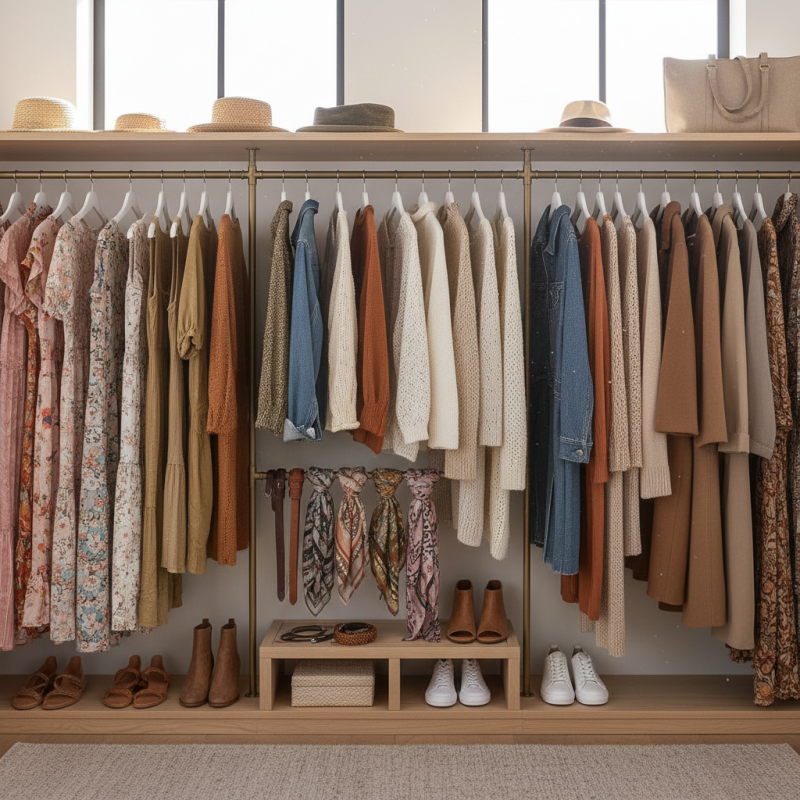
10 Seasonal Wardrobe Transition Tips for Effortless Style
Transitioning your wardrobe with the changing seasons can feel daunting. To achieve effortless style, start by assessing your current closet. Take an honest look at what you own. Are there items you haven’t worn in months? Donating these pieces can clear space for essentials.
Layering is key during transitional seasons. Light jackets can add warmth without bulk. Choose fabrics that breathe but keep you comfortable. Think about textures, too. Mixing cotton with knits creates visual interest. Scarves, hats, and statement accessories can revamp basic outfits. This adds flair to your look while keeping it practical.
Don't forget about footwear. Seasonal changes may require different shoes. Consider versatile options that transition well. Perhaps a nice pair of ankle boots or stylish sneakers. Reflect on your daily activities. What will serve you best? Every choice counts in creating a wardrobe that feels effortless. Remember, it’s about adaptability and personal style evolution.
Understanding Seasonal Trends: Statistics on Fashion Retail Shifts
As the seasons change, so do fashion trends. Understanding these shifts is key for any wardrobe transition. Recent statistics highlight that retail sales fluctuate significantly with seasonal changes. For instance, clothing sales typically surge in spring and fall. Customers often seek out lighter fabrics in warmer months. In contrast, heavier garments dominate during colder seasons. These shifts guide retailers in inventory management and design choices.
When transitioning your wardrobe, consider the importance of adaptable pieces. Many people struggle to find balance in their closets. For instance, hanging onto summer dresses can feel nostalgic, yet they may not serve a purpose in winter. Analyze which items are versatile enough to wear during different seasons. Layering can help maintain style and comfort during transitional periods. Reflecting on your personal style can lead to more intentional purchases.
Additionally, staying informed about emerging trends can enhance your wardrobe's versatility. Research on consumer behavior reveals that shoppers are gravitating towards sustainable and timeless pieces. However, the challenge lies in selecting items that fit your lifestyle. Don’t hesitate to experiment, but remain mindful of your choices. Keep in mind that every season provides an opportunity to redefine your personal style.
Key Essentials for a Transitional Wardrobe: Data on Versatile Clothing
Transitioning your wardrobe for the seasons can be daunting. Keeping key essentials at hand makes this shift easier. Focus on versatile clothing that offers multiple styling options. A classic white shirt, for instance, can be dressed up or down. It pairs beautifully with jeans for casual outings or with tailored pants for more formal occasions.
Invest in neutral-layering pieces. A lightweight cardigan or a well-fitted blazer works wonders for this transitional period. They provide warmth without bulk. Choose fabrics that are breathable yet provide some insulation, like cotton blends. Also, consider the power of accessories. A statement scarf can elevate any look while keeping you warm.
Don’t underestimate the importance of shoes. An adaptable pair of ankle boots can transition well through seasons. They offer the practicality of comfort while maintaining style. Remember, it’s okay to feel uncertain about your choices. Experiment with different combinations. It’s a process of finding what best reflects your personal style during this change.
Layering Techniques: Professional Insights on Temperature Management
As the seasons change, managing temperature while maintaining style can be challenging. Layering is key in this transition. Start with a lightweight base layer, like a fitted t-shirt or tank top. It provides comfort and keeps you cool when temperatures rise during the day.
Add a mid-layer, such as a cardigan or lightweight sweater. This not only offers warmth but also creates texture. Choose neutral colors for versatility. For outdoor conditions, a stylish outer layer like a trench coat adds sophistication. This approach ensures you're prepared for unpredictable weather.
Don't hesitate to play with patterns and textures, but avoid overwhelming your outfit. Simple changes can often elevate your look. Remember, achieving effortless style takes practice. Your choices might not always align perfectly, but embracing imperfection can lead to unique fashion moments. Consider experimenting with different combinations to discover what feels best for you.
10 Seasonal Wardrobe Transition Tips for Effortless Style
This chart showcases the popularity of various wardrobe transition techniques as we shift between seasons. Layering techniques and a cohesive color palette are the most embraced strategies, ensuring style and comfort throughout temperature changes.
Color Palettes for Transitioning Seasons: Trends in Consumer Preferences
Transitioning your wardrobe between seasons can be both exciting and challenging. Color palettes play a crucial role in this process. Each season brings a unique set of hues that resonate with nature and influence consumer preferences. For example, fall often embraces warm, earthy tones like burnt orange and deep burgundy. These colors evoke a sense of coziness, drawing inspiration from the changing leaves.
As spring approaches, lighter shades begin to dominate. Soft pastels and vibrant floral colors reflect the fresh blooms of the season. Many consumers lean towards colors that feel uplifting during this time. However, balancing trends with personal style can be daunting. It’s essential to choose shades that not only align with seasonal trends but also complement your skin tone. Mixing colors can offer a refreshing twist, but it requires careful thought and a willingness to experiment.
Some may struggle with their choices, leaning too heavily on loud trends rather than their unique flair. It’s a reminder to reconnect with your personal style. Are those trendy colors genuinely you? Or do you feel lost in the shuffle? Reflecting on what makes you feel confident can lead to a more effortless style during any transition. Embracing this approach may reveal unexpected favorites in your wardrobe.
Investing in Quality Basics: Research on Longevity in Fashion Consumption
Investing in quality basics is essential for a sustainable wardrobe. These pieces often serve as the foundation of any outfit. They withstand trends and time, providing versatility and longevity. Research indicates that consumers prefer durable items over fast fashion. This mindset shifts how we approach seasonal transitions.
When transitioning your wardrobe, consider these tips. First, select timeless colors and cuts. Neutrals often pair well with various styles. Second, focus on fabric quality. Look for materials that feel good and last. A cotton blend or a sturdy wool can make all the difference. Lastly, make your basics pop with accessories. They can elevate an everyday outfit without a complete overhaul.
While seeking quality basics, reflect on your choices. Are you investing in pieces that truly resonate with your style? Quality often means spending a bit more, which can feel daunting. However, these investments pay off in the long run. Remember, the goal is effortless style that stands the test of time.
FAQS
: Focus on versatile clothing. Key essentials help facilitate this shift.
A classic white shirt and neutral-layering pieces like cardigans and blazers are essential.
Accessories, like a statement scarf, elevate looks while offering warmth and style.
Ankle boots are adaptable. They blend comfort with style across seasons.
Start with a lightweight base layer, then add a mid-layer and an outer layer.
Colors should resonate with seasonal changes, like warm tones for fall or pastels for spring.
Reflect on what suits your skin tone and feels authentic. Avoid solely following trends.
Yes, embracing imperfection can lead to unique fashion experiences.
Mix different pieces and textures to discover what feels right for you.
Reflecting on your preferences helps create an effortless, confident look.
Conclusion
Transitioning your wardrobe between seasons can be effortless and stylish with the right approach. The article "10 Seasonal Wardrobe Transition Tips for Effortless Style" provides valuable insights into how to adapt your style as the weather changes. It starts by analyzing seasonal trends, showcasing how fashion retail shifts impact consumer choices. Key essentials for a transitional wardrobe are highlighted, emphasizing the importance of versatile clothing that can be layered for temperature management.
The piece also discusses effective layering techniques and suggests popular color palettes that resonate with consumer preferences during transitions. Moreover, it underscores the significance of investing in quality basics, supported by research on fashion consumption longevity. By following these Seasonal Wardrobe Transition Tips, individuals can enhance their style while remaining comfortable and prepared for changing conditions.

 WINZ Fashion