Best Fabrics For All Seasons That Global Buyers Need?

Time:2026-04-29 Author:Ethan
0%

In an increasingly globalized market, understanding the best fabrics for all seasons is essential for both buyers and manufacturers. According to a recent report by the Textile Research Journal, over 70% of consumers cite fabric choice as a key factor in their purchasing decisions. Renowned textile expert Dr. Emma Lawson states, "The best fabrics for all seasons not only enhance comfort but also reflect quality and sustainability.” This insight underscores the growing emphasis on versatile materials that perform well year-round.

Selecting fabrics suitable for diverse climates poses challenges. For example, while cotton is breathable for summer, it may not provide warmth in winter. Wool, on the other hand, traps heat effectively but can be less comfortable in humid conditions. Buyers must strike a balance between functionality and style. The landscape is shifting as eco-friendly options like Tencel gain popularity, showing that sustainable choices are increasingly in demand.

Yet, buyers must remain cautious as not all claims in the fabric industry hold merit. Companies might exaggerate their product features. This uncertainty highlights the need for buyers to educate themselves. With proper knowledge and awareness, they can navigate the complexities of fabric selection and make informed decisions that align with their values and needs.
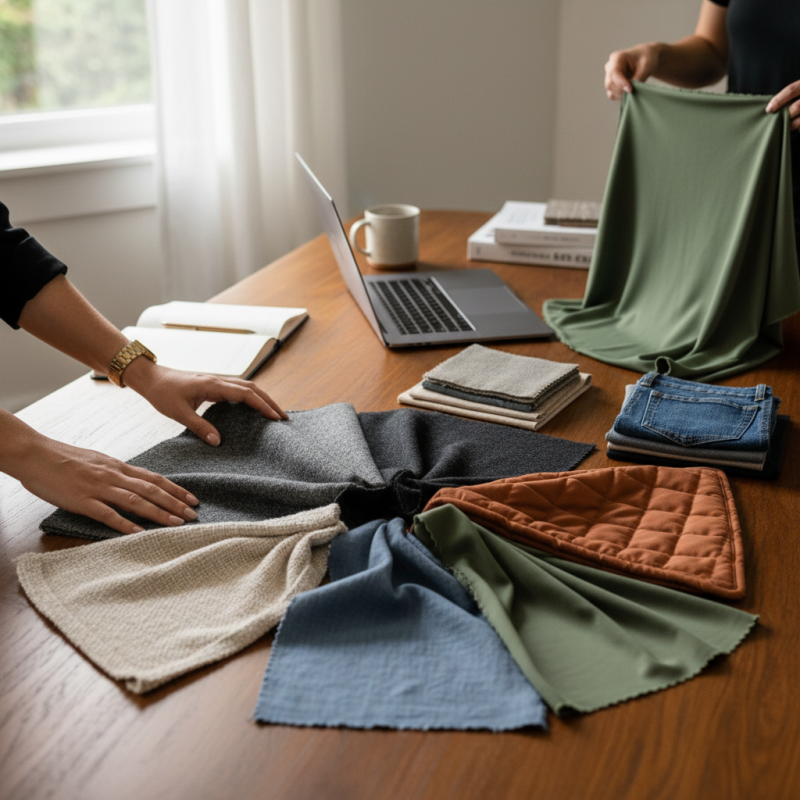
Best Fabrics For All Seasons That Global Buyers Need?

Best Fabrics for All Seasons: A Comprehensive Guide

When it comes to selecting the best fabrics for all seasons, understanding their properties is vital. Versatile fabrics can enhance comfort and adaptability throughout the year. Cotton is a great choice; it breathes well and keeps you cool in summer, while also providing warmth in cooler months.

Linen, known for its lightweight and airy feel, also draws moisture away, making it ideal for hot weather.

Wool deserves appreciation too. It's not just for winter. Merino wool regulates temperature effectively, keeping you warm without overheating. On the other hand, rayon offers a silky touch that drapes beautifully, enhancing any wardrobe. However, it can be less durable and requires careful washing.

Silk stands out for its luxury and softness. It’s excellent for both hot and cold temps. Yet, it’s delicate and prone to staining. Keep in mind that no fabric is perfect; each has pros and cons. The key is to consider your lifestyle and the climate when making choices. Balancing style with practical needs often leads to better decisions.

Understanding the Properties of Seasonal Fabrics

Seasonal fabrics play a crucial role in garment choice. Understanding their unique properties helps consumers make informed decisions. For summer, lightweight cotton and linen are ideal. These fabrics are breathable and absorb moisture well. They keep the body cool and comfortable under the sun. Their natural fiber composition allows for easy movement and versatility.

In contrast, winter fabrics like wool and fleece provide warmth. Wool is an excellent insulator, trapping heat close to the body. It is also moisture-wicking, which helps keep dryness. Fleece, on the other hand, is soft and lightweight. It is perfect for layering and offers excellent thermal protection. These materials sometimes shed and require careful washing to maintain quality.

Transitional fabrics bridge the gap between seasons. Blends of cotton and polyester can offer durability and comfort throughout spring and fall. Yet, these mixed fabrics might not be as breathable as natural options. Additionally, synthetic blends can feel stiff if not designed right. It's essential to pay attention to the feel and drape of these textiles. Each fabric has its strengths and limitations, so choosing wisely enhances comfort and style.

Top Fabric Choices for Warm Weather: Breathable and Light

When discussing top fabric choices for warm weather, breathable materials stand out. Cotton is a classic choice due to its natural fibers. Studies show cotton can absorb moisture, helping regulate body temperature. Linen is another strong candidate; it's light and dries quickly, ideal for humid conditions. A report by the Textile Research Journal indicates that linen’s airflow can reduce body heat by up to 20%.

Silk, though often overlooked, provides a soft touch and temperature control. Its smooth texture feels luxurious against the skin. A 2022 study revealed that silk can help wick moisture away, making it a viable option for warm climates. This is crucial for comfort, especially in heat. When choosing summer fabrics, consider their breathability and weight.

Tips: Opt for light colors, as they reflect sunlight. Avoid synthetic materials; they can trap heat. Layering with breathable fabrics can enhance comfort without compromising style. Remember to evaluate the fabric's care instructions. Proper maintenance ensures longevity. Balancing style and functionality is key in warm weather fabric selection.

Ideal Winter Fabrics: Warmth, Insulation, and Comfort

When choosing fabrics for winter, warmth and insulation are essential. Wool is a classic choice, providing natural warmth without bulk. It traps heat effectively, making it ideal for cold climates. Cashmere, on the other hand, adds a touch of luxury. It’s soft, lightweight, and offers excellent insulation. Both fabrics excel in comfort, which is crucial for long wear during winter months.

Tips for selecting winter fabrics: Look for materials with a tight weave. This feature helps in retaining warmth. Additionally, consider blended fabrics which combine synthetic fibers and natural ones. They can enhance durability while maintaining comfort.

Cotton may seem cozy, but it absorbs moisture. You can feel chilled in its presence during the winter. Instead, opt for thermal blends or fleece for casual wear. They offer warmth without weighing you down. Always remember that thickness does not guarantee warmth; it’s the fabric composition that truly matters.

Versatile Fabrics for Transitional Seasons: Layering Essentials

Transitional seasons demand fabrics that adapt well. Layering is key in autumn and spring. Choose fabrics like lightweight cottons, soft knits, and breathable linen. These materials provide comfort while keeping you stylish.

Lightweight cotton is versatile. It breathes in warm weather but can be layered when it's cooler. Soft knits offer warmth without bulk. They stretch and move with every step. Linen, though often thought of as summer wear, can transition with the right layering. Pair it with a long-sleeve tee for breezy days.

Consider textures and colors, too. Mix prints with solids for visual interest. Create depth with layers. A lightweight scarf can elevate any outfit. Don't forget about the impact of textures. Velvet adds luxury while denim provides durability. Experiment with combinations, but remember, balance is essential. Aim for harmony in your look to feel confident and chic.

Best Fabrics For All Seasons That Global Buyers Need?

Fabric Type Properties Best For Season Suitability
Cotton Breathable, soft, and hypoallergenic Casual wear, shirts, and dresses Spring, Summer
Wool Warm, moisture-wicking, and durable Outerwear, sweaters, and suits Fall, Winter
Linen Strong, breathable, and quick-drying Summer outfits, casual and formal wear Summer
Silk Luxurious, smooth, and lightweight Formal wear, blouses, and scarves Spring, Fall
Polyester Durable, wrinkle-resistant, and versatile Activewear, casual clothing, and linings All seasons

FAQS

: What is the best fabric for summer weather?

: Cotton is an excellent choice. It breathes well and absorbs moisture effectively, keeping you cool.

How does linen perform in hot temperatures?

Linen is lightweight and dries quickly. It reduces body heat by up to 20% due to its airflow.

Is wool only suitable for winter?

No, merino wool regulates temperature. It keeps you warm without overheating, making it versatile.

Why is rayon considered less desirable?

While rayon is silky and drapes beautifully, it is less durable and requires careful washing to maintain quality.

What should I consider when choosing fabrics for transitional seasons?

Blends of cotton and polyester provide durability. However, these may not be as breathable as natural fabrics.

How does silk behave in different temperatures?

Silk is soft and luxurious. It helps wick moisture, making it suitable for both hot and cold climates.

What are essential tips for selecting summer fabrics?

Opt for breathable materials like cotton and linen. Light colors help reflect sunlight, enhancing comfort.

Are there drawbacks to synthetic fabrics?

Yes, synthetic fabrics can trap heat and may feel stiff. It's best to prioritize natural fibers for comfort.

How can layering impact comfort in warm weather?

Layering with breathable fabrics can enhance comfort while allowing for style. Choose lightweight options to prevent overheating.

What maintenance tips ensure fabric longevity?

Always check care instructions. Proper washing and drying can prolong the life of your chosen fabrics.

Conclusion

The article titled "Best Fabrics For All Seasons That Global Buyers Need" provides an insightful overview of versatile textiles suitable for year-round wear. It begins with a comprehensive guide that explains the properties of seasonal fabrics, allowing readers to appreciate how different materials cater to various weather conditions.

Specifically, it highlights the top fabric choices for warm weather, focusing on breathable and lightweight options that enhance comfort in the heat. Conversely, it outlines ideal winter fabrics that prioritize warmth, insulation, and comfort, ensuring that wearers stay cozy during colder months. Additionally, the article discusses versatile fabrics for transitional seasons, emphasizing the importance of layering essentials to adapt effortlessly to changing temperatures. Overall, this summary encapsulates the essence of the Best Fabrics For All Seasons, making it an essential read for global buyers.

Ethan

Ethan

Ethan is a seasoned marketing professional with a deep expertise in our company's innovative product line. With a passion for sharing knowledge and insights, he takes the lead in regularly updating our corporate blog, where he explores industry trends, product features, and effective marketing......